
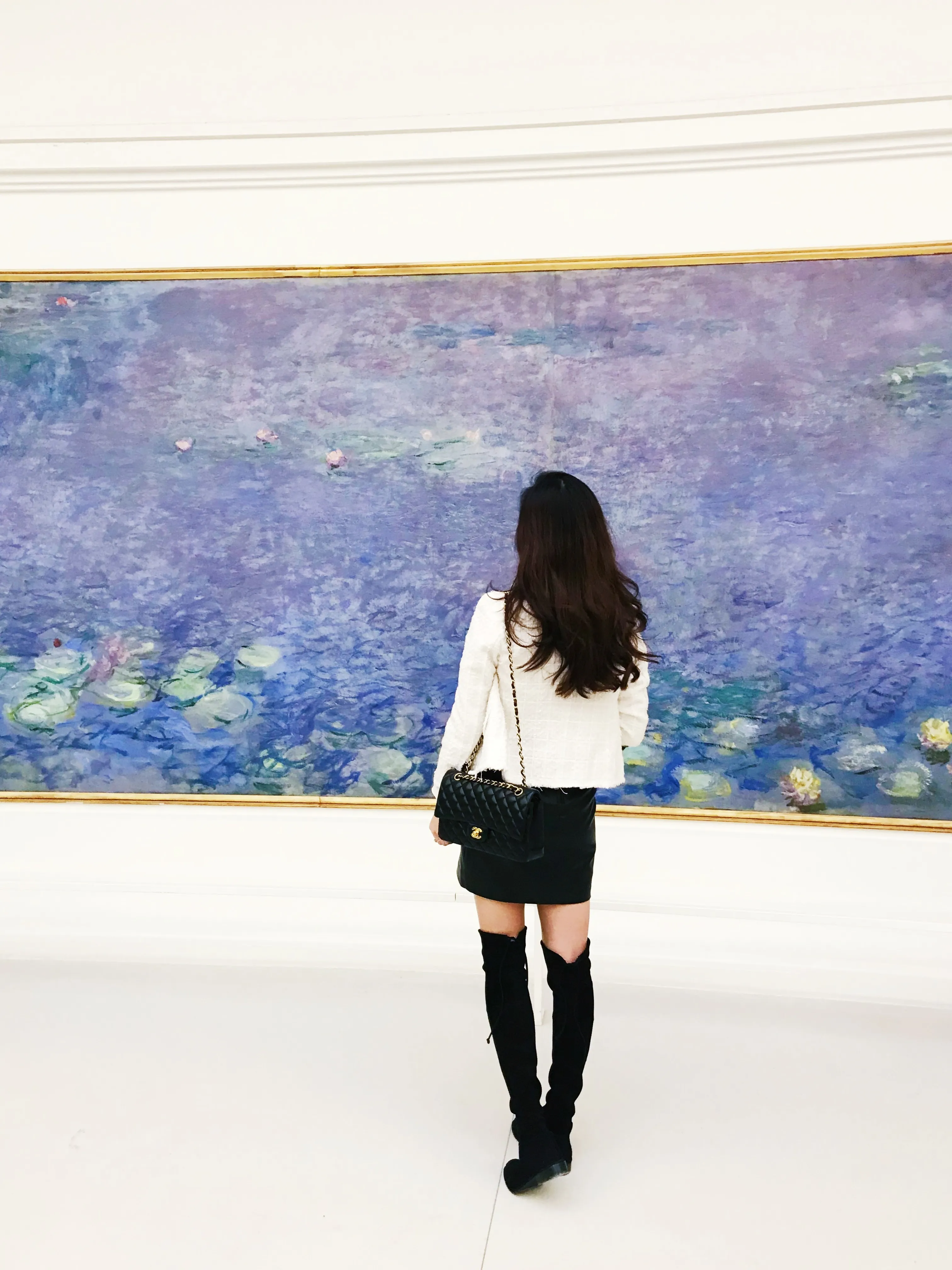
Monet’s Nymphéas: Inside the Oval Rooms
A deep, sensory walkthrough of the Water Lilies installation—light, curvature, pacing, and how to read the panorama.
→

Architecture of Calm: Ovals, Skylights, and Silence
How the Orangerie’s architecture choreographs attention—ellipses, daylighting, and the psychology of soft edges.
→
Conservation Notes: Caring for Water Lilies
Materials, varnish, micro‑cracks, and preventive care—how conservators keep Monet’s Nymphéas readable and stable.
→

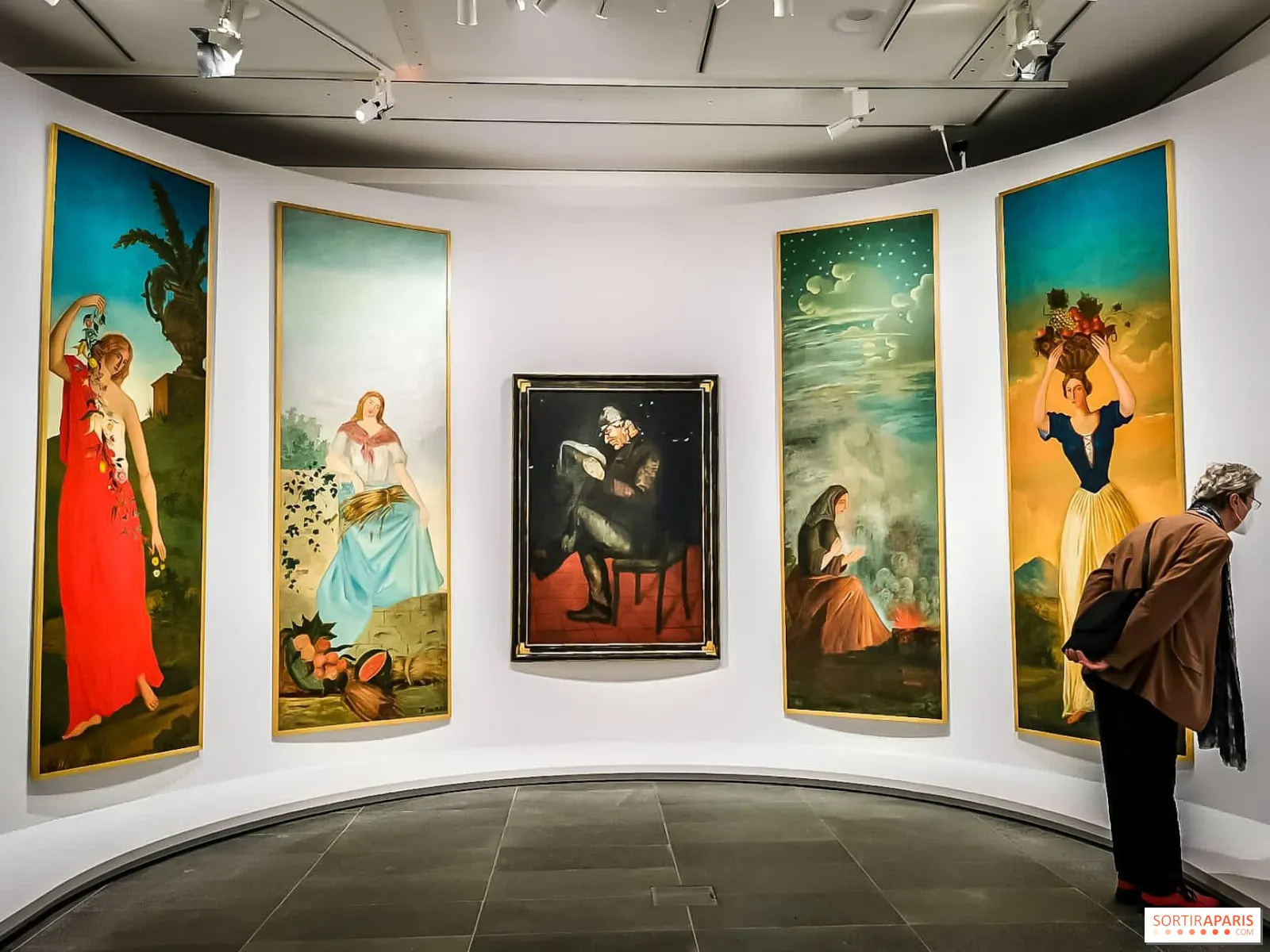
The Paul Guillaume Collection: Modern Masters, Intimate Scale
A tour of the Paul Guillaume rooms: Cézanne’s structure, Renoir’s softness, Matisse’s color, Modigliani’s line, and more.
→
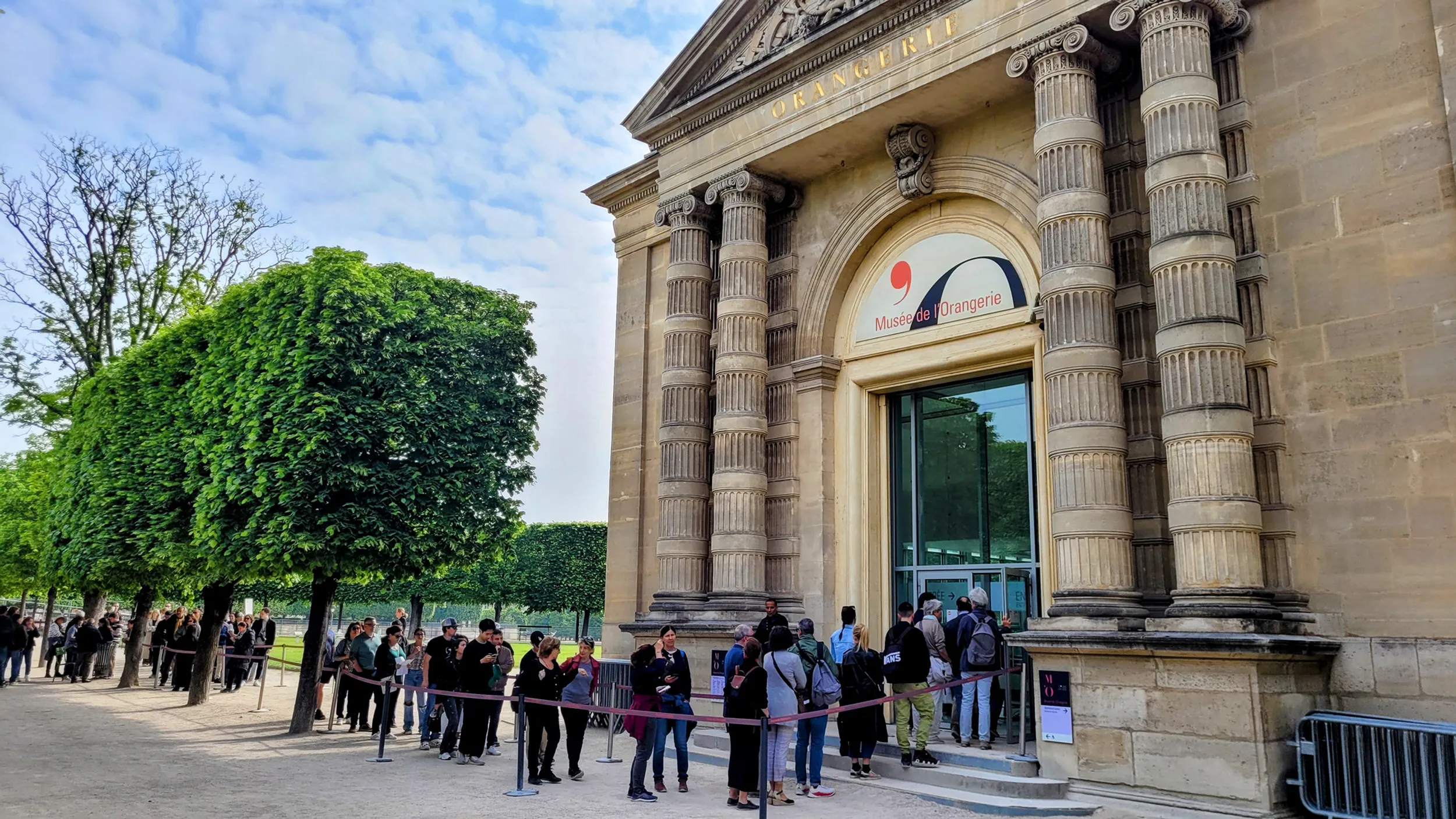
Visitor Guide: Best Times, Tickets, and Flow
Practical tips for planning your visit—timing, queue avoidance, ticket types, and room pacing.
→
Audio Guide Deep‑Dive: Tracks, Insights, and Quiet Spots
What the audio guide does well, how to pair tracks with vantage points, and best quiet corners.
→
Family Visit: Simple Games for Slow Looking
Kid‑friendly prompts and mini‑games to explore color, shape, and motion without rushing.
→
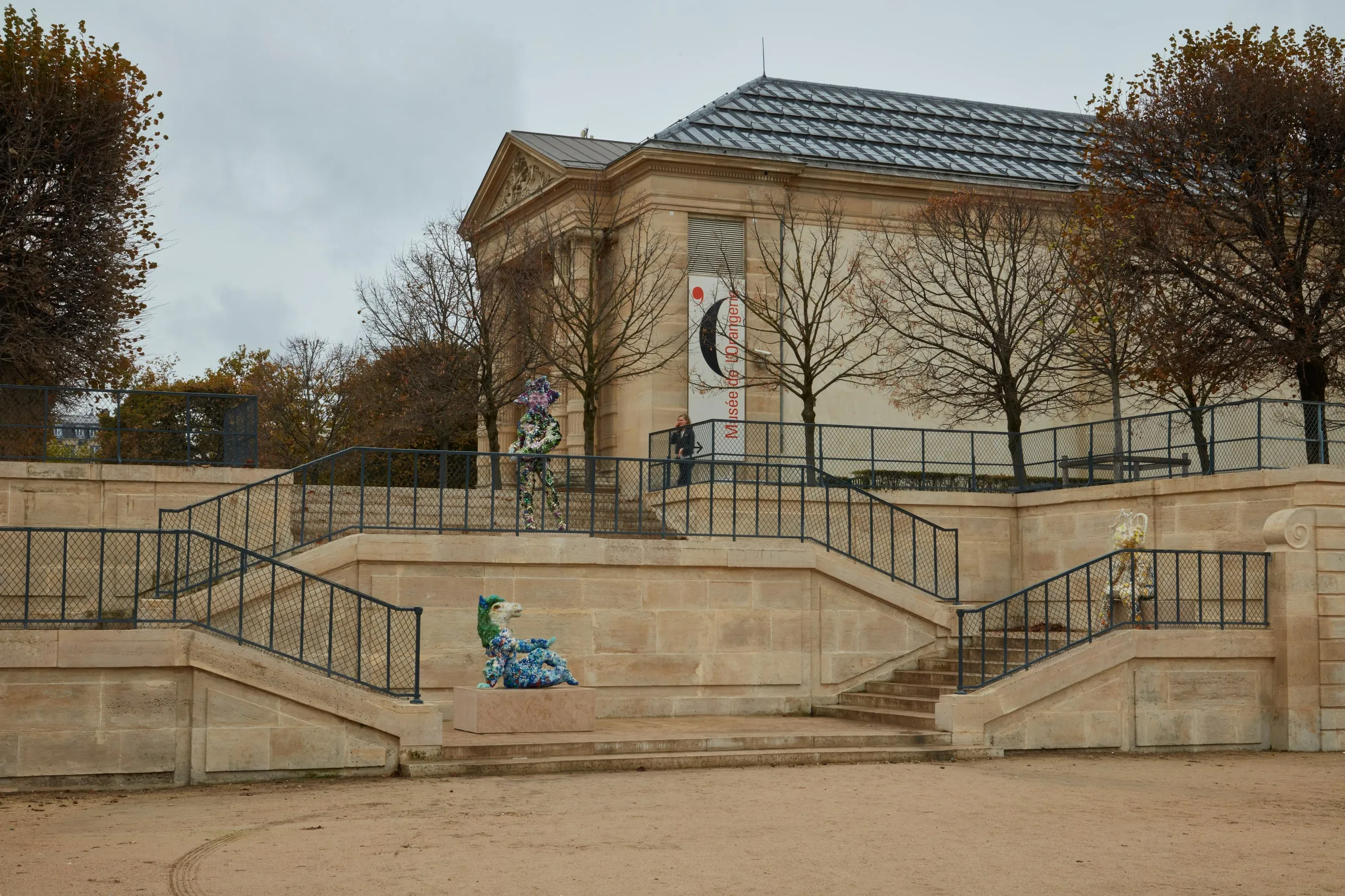
Accessibility at the Orangerie: Pathways, Seating, and Support
Practical overview of accessibility features—flat routes, lift access, bench spacing, and assistance services.
→
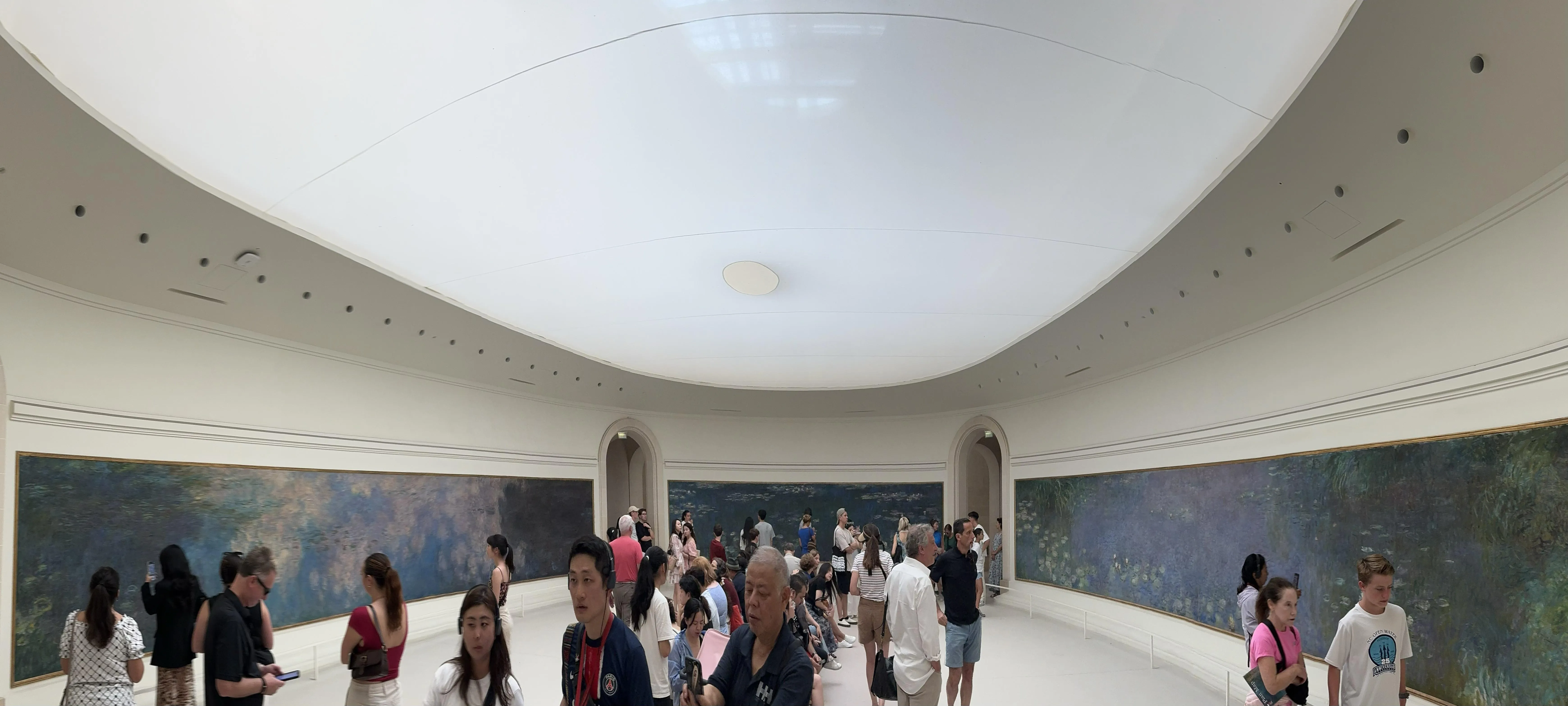
Photography Guide: Etiquette, Angles, and Light
How to photograph respectfully—no flash, low angles, soft light—and compose images that honor the paintings.
→

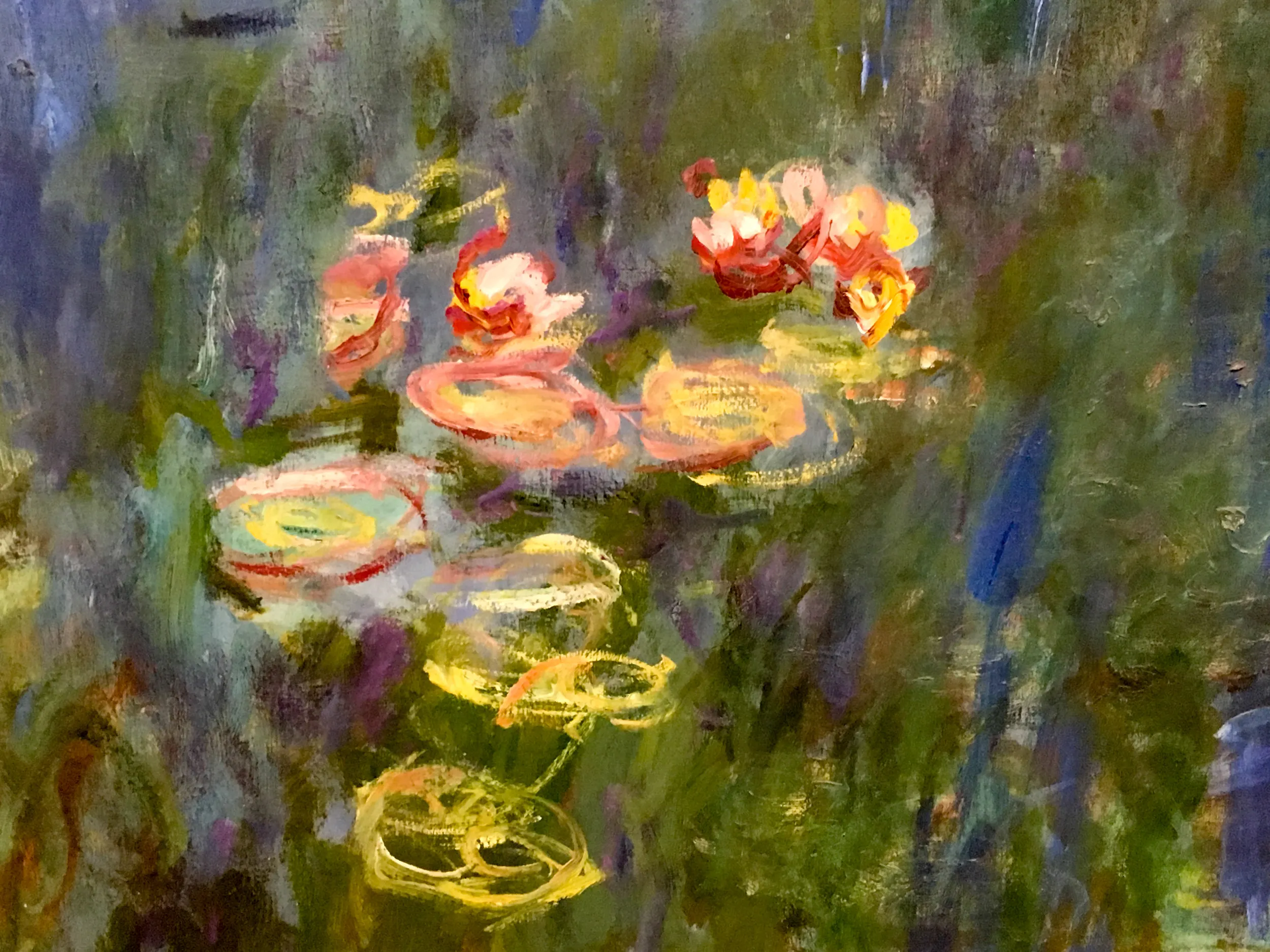
Monet’s Technique: Brushwork, Edges, and Palette
A close reading of surface—long strokes, scumbles, and color temperature across panels.
→
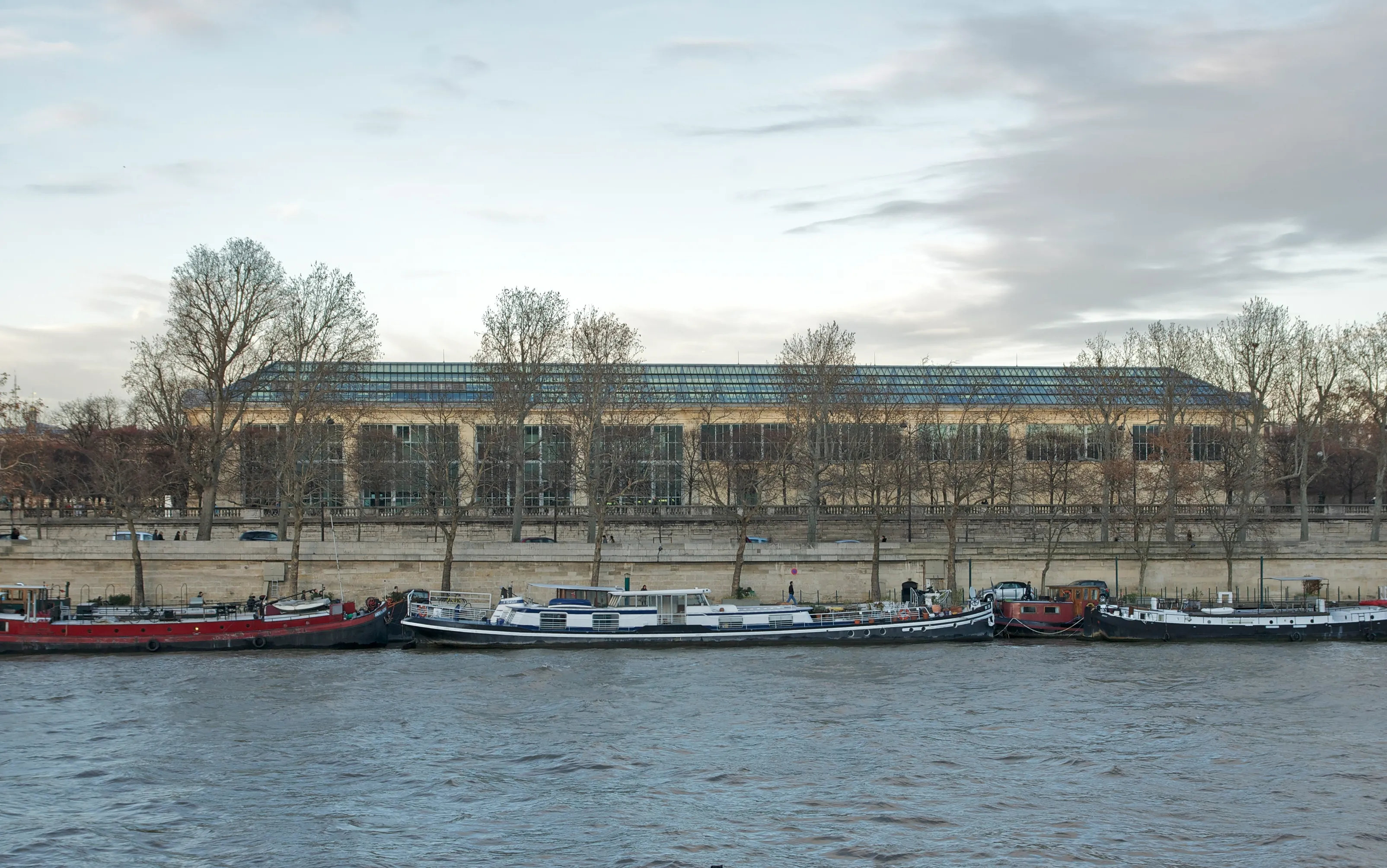
Orsay vs. Orangerie: Two Ways to See Modernism
A friendly comparison—scale, pacing, and curatorial choices between the Musée d’Orsay and the Orangerie.
→

Tuileries Garden: A Perfect Break Between Rooms
How the Tuileries paths, shade, and seating reset your eyes between galleries.
→
Reading Matisse: Color Blocks and Edge Logic
A guide to understanding Matisse’s color architecture—blocks, edges, and how chroma carries space.
→
Cézanne’s Structure: Planes, Faceting, and Axes
Why Cézanne’s planes matter—faceting, axial shifts, and how structure makes modern space.
→
Renoir’s Softness: Skin Temperature and Light
Warm/cool transitions, soft edges, and how Renoir negotiates light in portraiture.
→
Modigliani’s Line: Contour, Elongation, and Economy
A look at contour discipline—why elongation and economy shape Modigliani’s portraits.
→
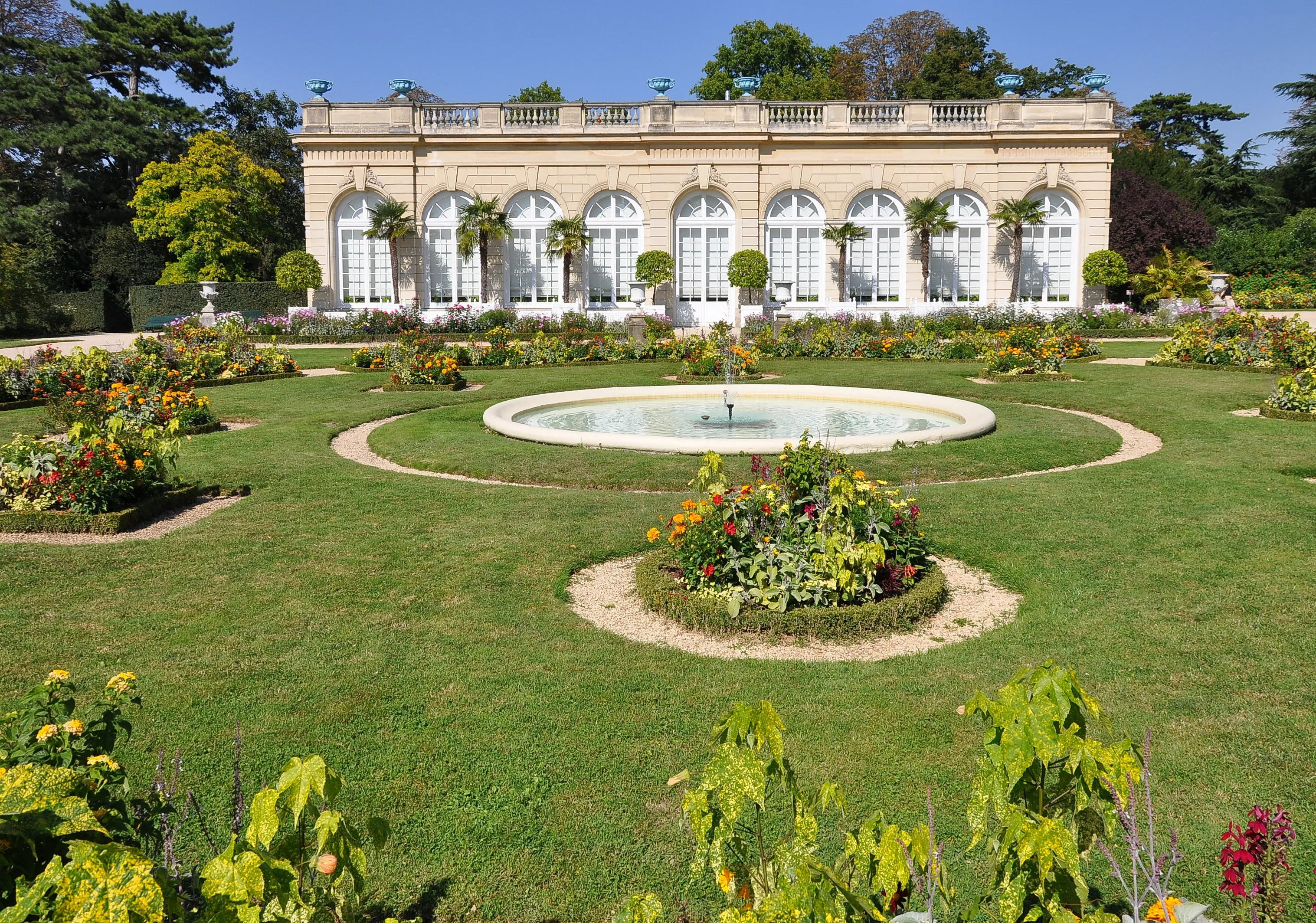
Café & Amenities: Smart Breaks Between Galleries
Where to pause—café tips, water, restrooms, and how to keep energy for slow looking.
→

Seasonal Exhibitions: What to Watch For
Rotating shows at the Orangerie—themes, pairings, and how they converse with the permanent rooms.
→
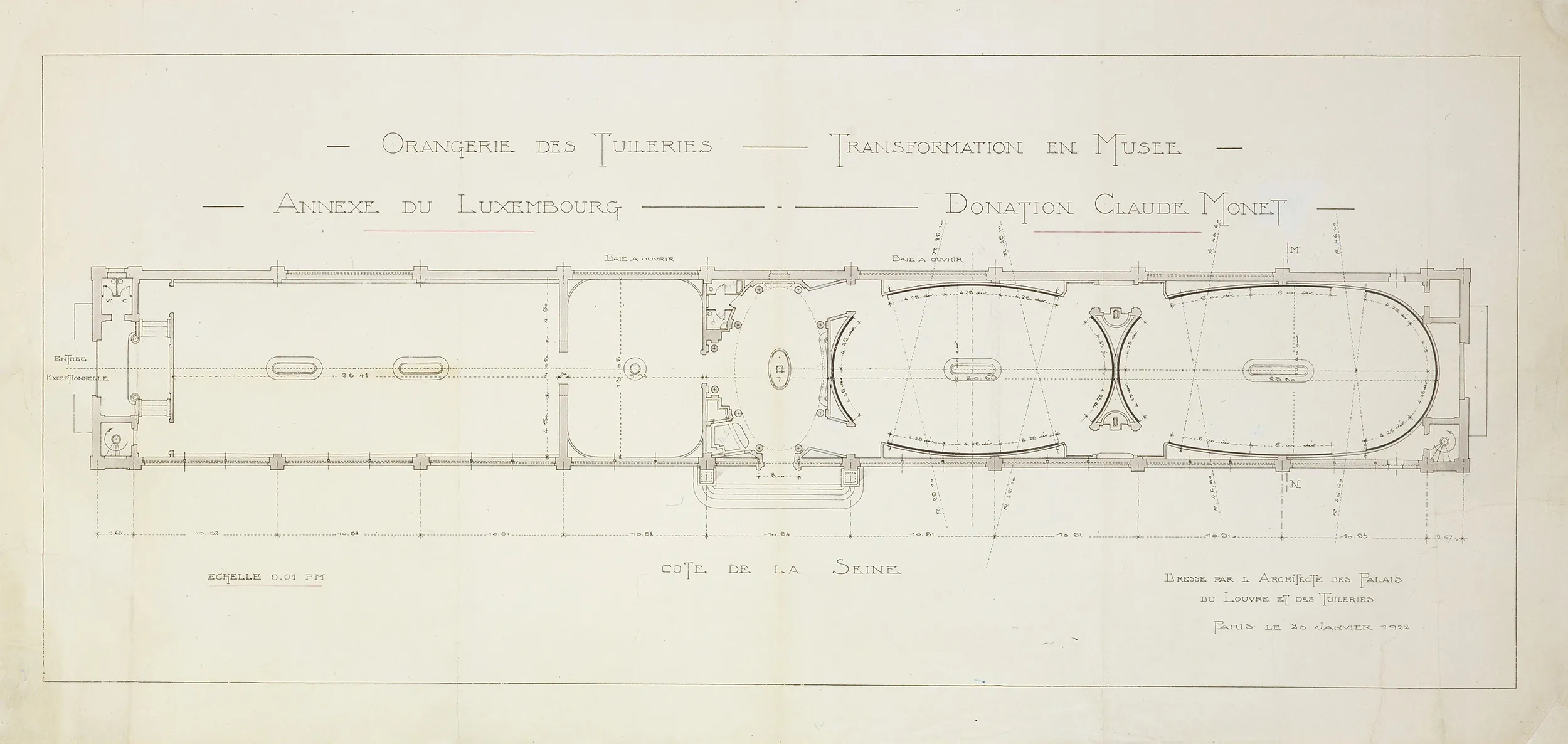
One Art Day: Orangerie + Tuileries + Orsay
A practical itinerary that balances depth (Orangerie) and breadth (Orsay), with garden resets.
→
First 10 Minutes: Orient, Slow Down, and Breathe
A micro‑guide to your first moments—what to notice and how to slow into the experience.
→
Garden Color Study: Paths, Flowers, and Eye Reset
Use the Tuileries gardens to study color in the wild—complements, temperature, and edge softness.
→
Map Overview: Rooms, Paths, and Shortcuts
A quick orientation map—rooms, paths, and tactics to minimize back‑tracking.
→
Queues: Strategy and Psychology
Small tactics and mindset shifts that make waiting easier—music, garden walks, and pacing.
→
From Greenhouse to Museum: 1893 → 1950
A concise timeline—from an orangery function to Monet’s permanent installation and postwar museum identity.
→
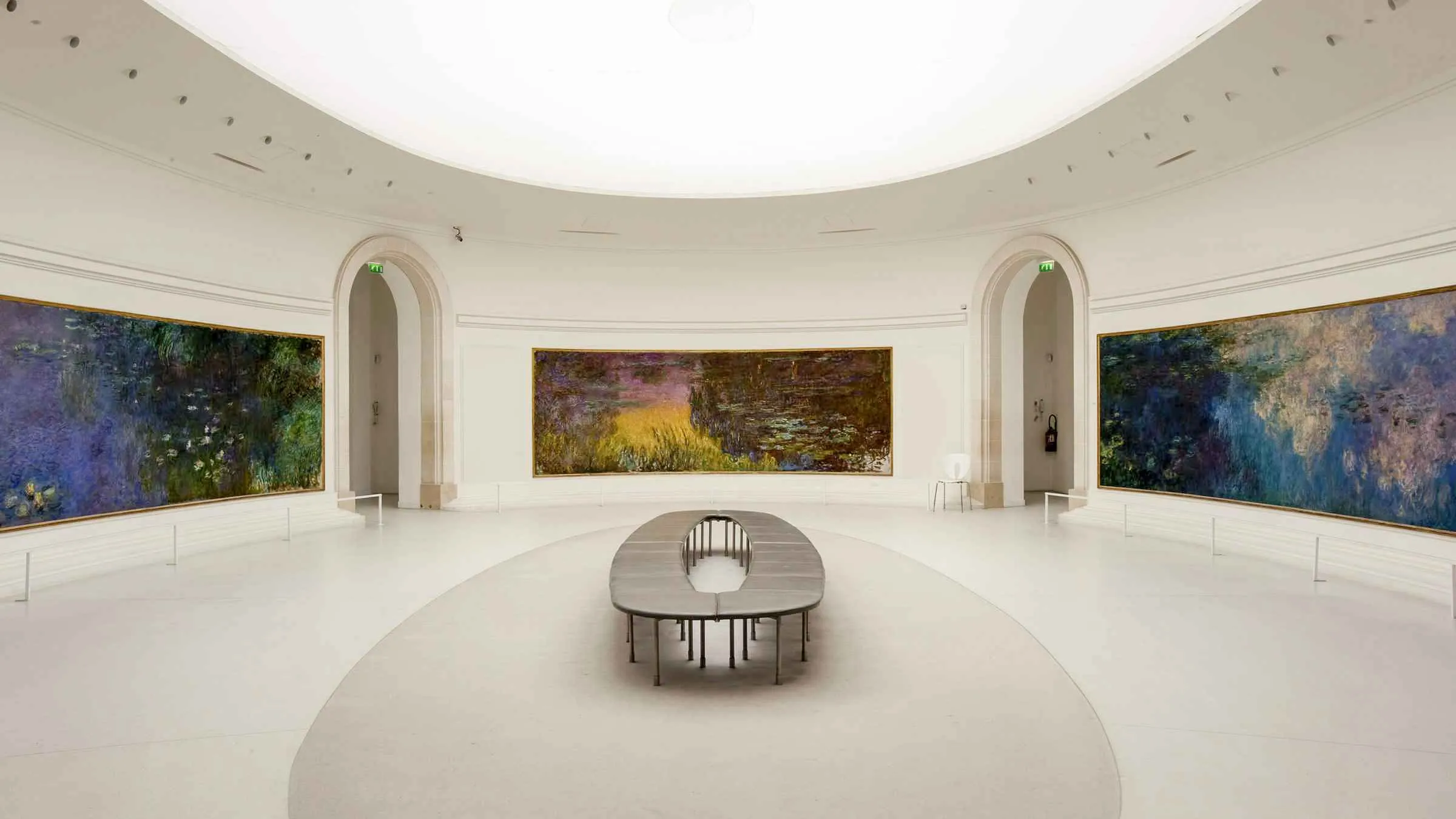
Seating Strategy: Visual Cross‑Points and Rest
Why benches sit where they do—cross‑points, skylight balance, and frame joins.
→
Reading Conditions, Not Events: Monet’s Quiet Strategy
How Monet eliminates events to focus on conditions—light, water, and time as a continuous field.
→
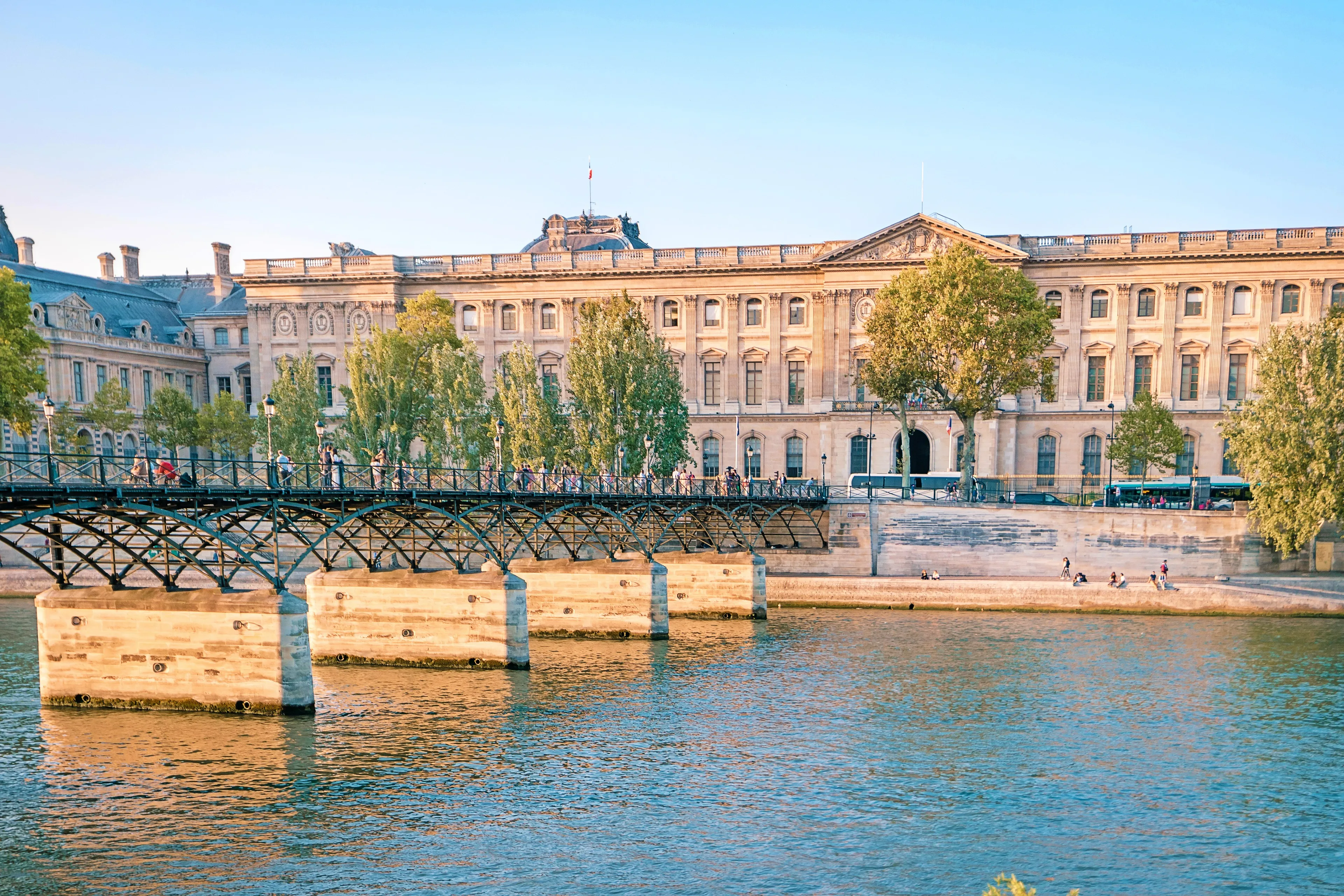
Approaching from the Seine: A Slow Arrival
A short walk from the river that sets a slower pace before entering the museum.
→